
Custom software development

Software That Fits
the Way You Work.

Build the application your operation actually needs. Plateau Technologies develops custom business software around your users, processes, approval rules, and information flows—from a focused internal tool to a connected operational platform.

THE BUSINESS CONTEXT

Start with
What Matters.

Custom software is useful when a business process carries requirements that standard tools cannot comfortably support. A procurement team may need several quotation revisions, an operations team may need different access for each location, or a customer portal may have to exchange information with an existing business system.

We start by identifying those requirements and deciding where a custom build creates value. Existing products, configuration, integrations, and phased development are all part of that discussion. The aim is a workable solution with a scope your organisation can understand and maintain.

WHAT WE DO

The Detail Behind
the Capability.

01

Business Workflows, Made Explicit

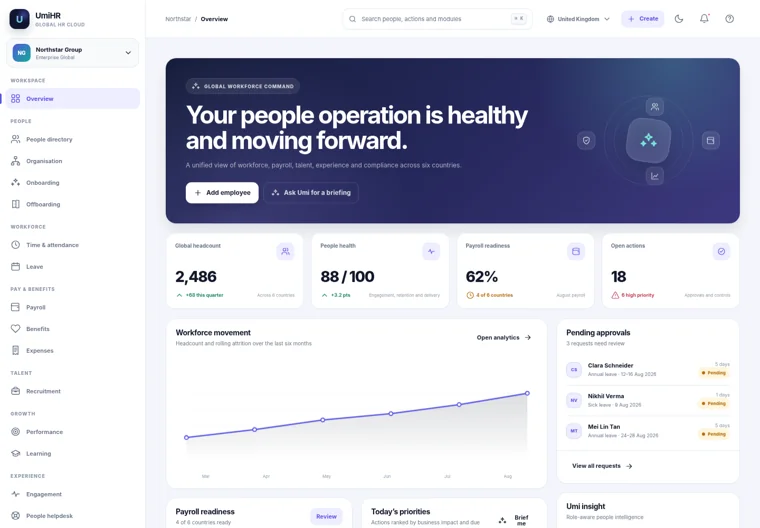
The work begins with process mapping: who creates a request, what information is required, who reviews it, and how exceptions are handled. We turn these decisions into screens, rules, permissions, and records. Workflows can cover requisitions, approvals, service requests, partner administration, order coordination, or other defined business activities. A clear map also exposes steps that can be simplified before any code is written.
02

A Practical Application Foundation

The application needs more than a useful front end. We consider the data model, user roles, validation, administrative tools, and the way records change over time. Reporting should answer agreed operational questions. Imports and exports should preserve meaning rather than merely move columns. Where multiple systems are involved, ownership of each data field and the behaviour of failed updates should be explicit.

03

Modernise Without Losing Business Knowledge

An existing application often contains years of operational understanding. We review its current workflows and dependencies before recommending improvements or replacement. A phased approach may retain stable functions while addressing the areas causing the greatest difficulty. Migration planning includes representative data checks, ownership of reconciliation, user acceptance, and a fallback plan appropriate to the change.

04

Define Completion Before Development

A useful specification describes how a feature behaves and how it will be accepted. We agree examples for normal use, missing information, permission restrictions, and important edge cases. This makes reviews more concrete and helps prevent a project from becoming an open-ended list of requests. New requirements can then be assessed against the agreed scope, schedule, and budget.

A DEFINED ENGAGEMENT

Know What
You’re Building.

Your proposal defines the exact scope, responsibilities, milestones, and exclusions. Depending on the engagement, the work can include:

  • Discovery notes and a prioritised requirements brief
  • User journeys, role definitions, and workflow rules
  • Application interfaces and agreed administration tools
  • Database design and specified integrations
  • Testing scenarios and user-acceptance support
  • Deployment, handover, and agreed maintenance documentation

WHERE IT FITS

Built Around a Useful Task.

Operations

Bring requests, approvals, and status tracking into one application.

Procurement

Structure sourcing, quotations, supplier interaction, and purchasing workflows.

People and Partners

Create portals that expose the right information to the right users.

Understand Our Delivery Approach

SELECTED WORK

A Closer Look
at Related Projects.

Explore the platforms and brand experiences in our portfolio, from business operations to communities and digital commerce.

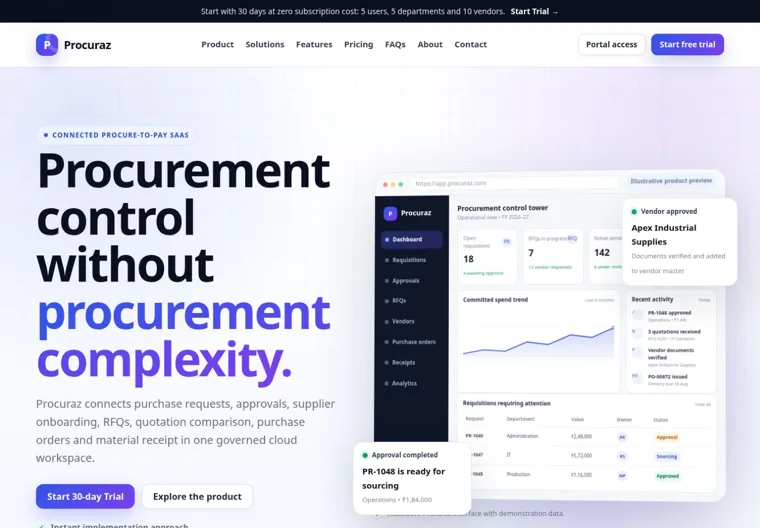
procuraz.comWEBSITE PREVIEW
Procuraz website homepage screenshot

Business software

Procuraz

A procurement platform bringing purchase requests, approvals, supplier interaction, RFQs, quotations, orders, and receipts into a coherent business journey.

Explore the Full Portfolio

QUESTIONS, ANSWERED

A Few Useful Answers.

When is custom software the right choice?

Consider it when your requirements involve distinctive processes, several connected systems, or rules that would be difficult to maintain in a standard product. Discovery should compare custom development with existing tools before a build is recommended.

Can you work on an existing application?

Yes. The starting point is a review of the code, hosting, dependencies, data, and the changes you need. Access to the current application and technical documentation makes this review more useful. The review determines the appropriate scope.

How are software development costs estimated?

Scope, workflow complexity, integrations, data migration, testing, and support requirements influence the estimate. We break the work into deliverables and identify assumptions. A firm proposal follows enough discovery to understand those dependencies.

Who owns the code and project materials?

Ownership, repository access, third-party licences, and handover responsibilities are agreed in the commercial contract. Discuss these expectations before work begins so the delivery model matches your needs.

How do we begin?

Share the process you want to improve, who uses it, where information currently lives, and what a successful outcome means. Existing forms, sample reports, and a short demonstration are often more useful than a long feature wish list.

A CONVERSATION IS A GOOD PLACE TO START

Your Next Chapter.
Let’s Build It.

Talk to Plateau